By Sarah Monroe · Updated May 2026 · 9 min read
My alarm went off at 6:15 a.m., and before I even opened my eyes, I already knew how the next twenty minutes were going to go.
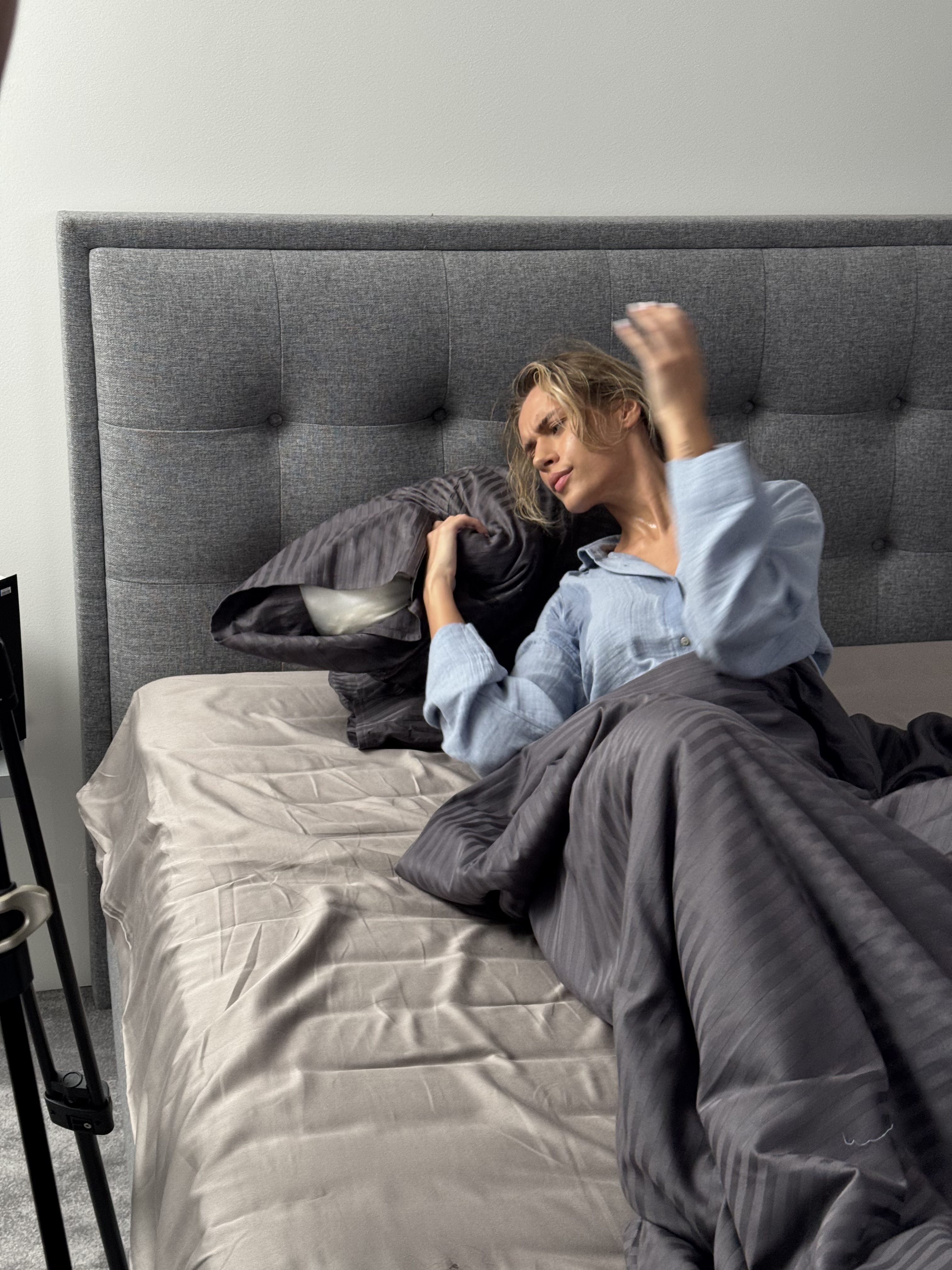
The moment I tried to lift my head off the pillow, a sharp, aching tension spread from the base of my skull all the way down to my right shoulder. It felt like someone had spent the night pulling the muscles of my neck out of place — and they'd left them that way.
I lay there for a few seconds, bracing myself. Then I slowly rolled to my side, placed both palms flat on the mattress, and pushed myself upright the way an injured animal gets to its feet. At 44 years old, I had become completely dependent on this ritual just to start my day.

"God, not again," I whispered to myself — the same words I'd whispered almost every single morning for six years.
The pain wasn't just physical. By the time I shuffled to the bathroom, the throbbing had already started spreading behind my eyes. By the time I poured my first cup of coffee, my neck was so stiff I couldn't turn it more than fifteen degrees in either direction. And by 9 a.m., sitting at my desk at work felt like trying to concentrate while someone slowly tightened a vise around my skull.
I snapped at my husband over something stupid. I forgot a meeting. I canceled dinner plans with my best friend for the third time in a month. The neck pain wasn't just ruining my mornings — it was quietly ruining my life.

The worst part? Nobody around me could see it. I looked fine. I went to work. I smiled in meetings. But underneath, I was exhausted, chronically in pain, and quietly terrified that this was just going to be my life forever.
That's when a chance conversation with a colleague changed everything.
When Waking Up Hurts More Than Going to Sleep: The Hidden Epidemic No One Is Talking About
What I didn't know then — and what most people suffering from chronic morning neck pain don't realize — is that I was far from alone.
According to the American Chiropractic Association, neck pain is the second most common musculoskeletal complaint in the United States, affecting over 30% of adults in any given year. And a growing body of research is pointing to a single, overlooked culprit: the pillow.

For me, the pain had started six years earlier, almost overnight. I'd always been a side sleeper. But somewhere along the way, I started waking up with that familiar ache — first a few days a week, then every single day, then even on weekends when I "slept in."
I assumed it was stress. I assumed it was my desk job. I assumed it was just getting older. I tried yoga. I bought an ergonomic desk chair. I started doing stretches before bed. Nothing helped. The pain always came back — reliably, brutally, every single morning.
"The cervical spine is one of the most mechanically sensitive structures in the human body. Eight hours of unsupported, misaligned sleeping is the equivalent of eight hours of microtrauma to your neck every single night. Do that for years, and you're not going to 'stretch it away' in the morning."
I would read those words later, in a medical journal article I found during a 2 a.m. rabbit hole of desperate Googling. At the time, I had no idea they were describing exactly what was happening to me — or that the solution was simpler than I ever could have imagined.
The Doctor's Visit That Made Everything Click
I finally caved and made an appointment with a chiropractor my colleague had recommended — a Dr. James Whitfield, who specialized in cervical health and sleep posture. I expected the usual: an adjustment, some exercises, maybe a pamphlet about ergonomics.
What I got instead was a fifteen-minute explanation that completely changed how I understood my own body.
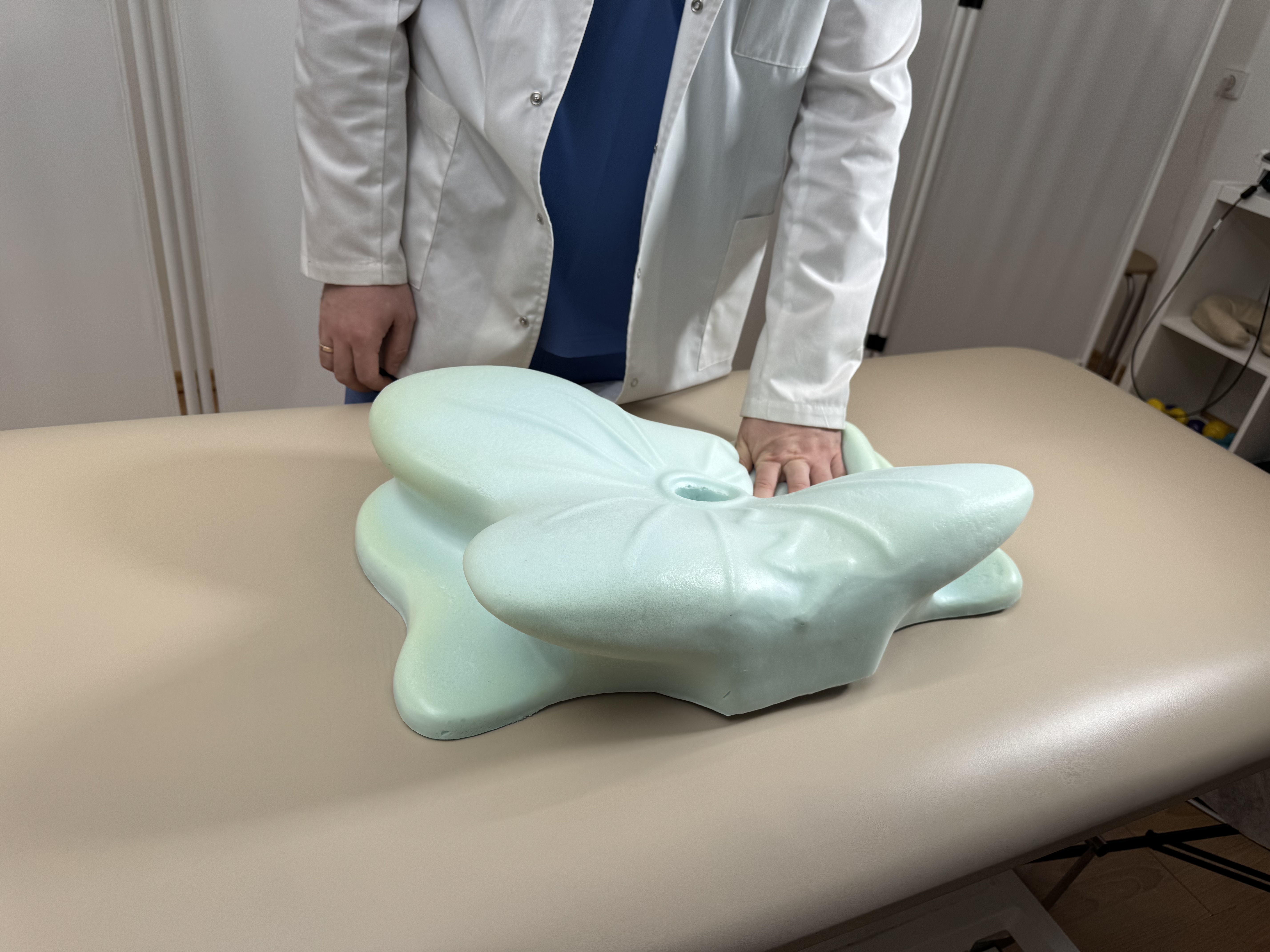
"Most of my patients are sleeping on pillows that are either too flat, too thick, or too soft — all of which force the cervical spine into an unnatural angle for six to nine hours every night. The body can't recover from a misalignment it's held in for eight hours straight. That's why they wake up in more pain than when they went to bed."
Dr. Whitfield pulled a skeleton model off his shelf and showed me exactly what happens when a standard pillow is too high or too low. "See how the head tilts up here?" he said, tilting the skull upward at an unnatural angle. "When you do that for eight hours, the muscles at the back of your neck are in constant eccentric tension. They never get to relax. They never get to heal. So every morning, you wake up and they're already inflamed."
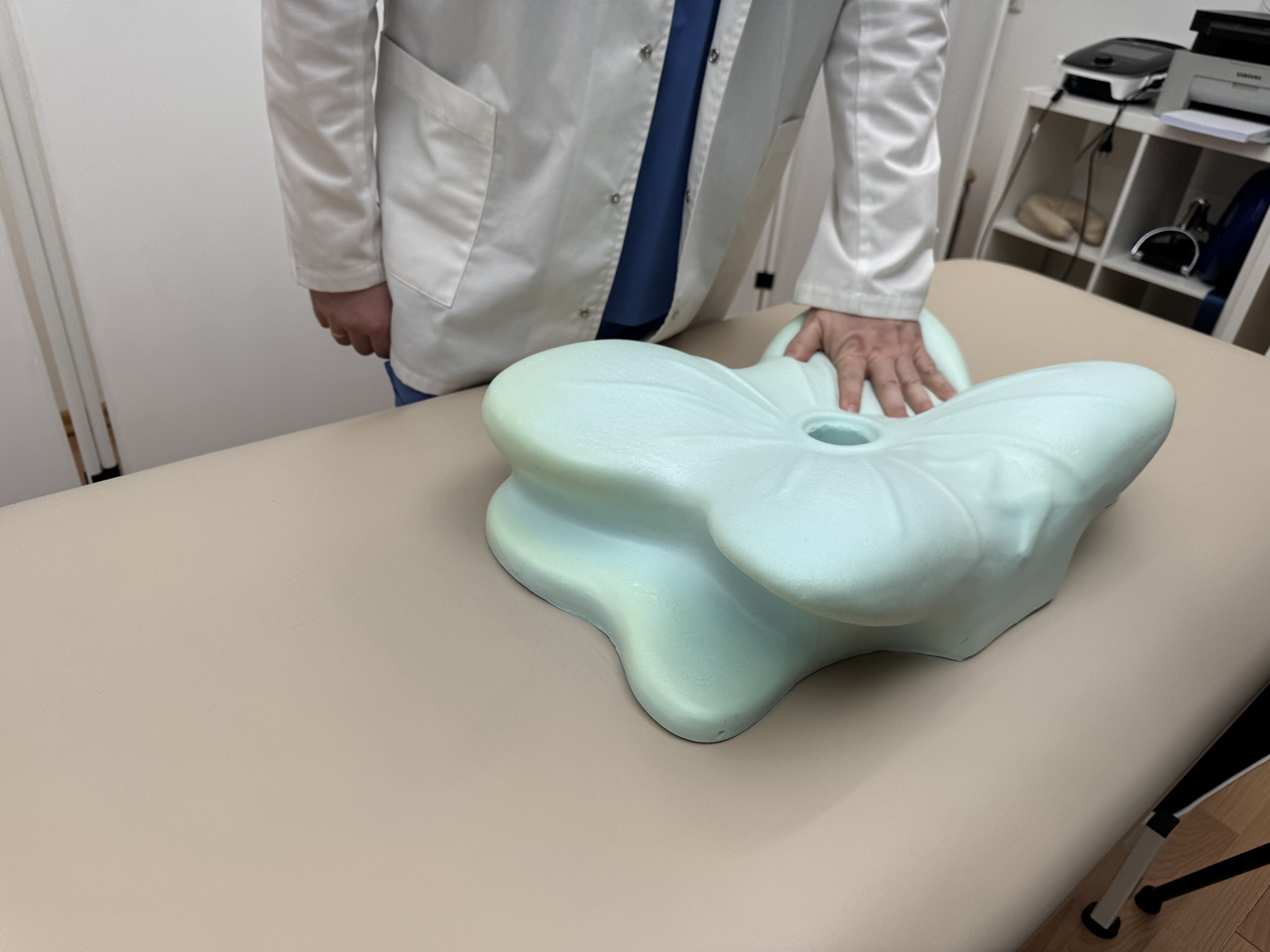
He went on to explain that the human cervical spine has a natural lordotic curve — a gentle, C-shaped arch that needs to be maintained during sleep, not flattened or exaggerated. When a pillow doesn't match the geometry of that curve, the soft tissues surrounding the spine — muscles, ligaments, fascia — compensate by holding tension all night long.
"The result," he said, leaning back in his chair, "is exactly what you've been describing. Stiffness. Headaches. Radiating pain. Shoulder tightness. All of it comes from eight hours a night of sleeping on the wrong surface."
He paused, then added something that stopped me cold:
"Your regular pillow is probably the most expensive mistake you've been making for your health — and you've been sleeping on it every single night."
I Tried Everything. Here's Why None of It Worked.
Before that appointment, I had already gone through the standard checklist of neck pain "solutions." I'd spent more money and more time than I care to admit trying to fix this problem on my own.
Chiropractic adjustments — I saw a different chiropractor twice a week for three months. My neck would feel better for a day, maybe two. Then I'd sleep on my same pillow and wake up exactly as stiff and sore as before. I spent over $1,800 out of pocket before I stopped going.
Pain medications — I tried ibuprofen, naproxen, even a muscle relaxant my doctor prescribed after a particularly bad episode. They dulled the pain enough to get through the day, but they did absolutely nothing to address the cause. And after a while, I noticed I needed more to get the same relief. I didn't like where that was heading.
"Orthopedic" pillows from the drugstore — I bought four different ones. Memory foam, gel-infused, contour-shaped, adjustable-fill. I gave each one a fair shot — two weeks minimum. Every single one either went flat within days, or the shape was so rigid it felt like sleeping on a brick. I stacked them in a corner of my closet.
Stretching and physical therapy exercises — These genuinely helped with daytime stiffness, but the therapist told me something that stuck with me: "We're treating the symptom. Until you address what's happening to your neck at night, you're going to keep coming back."
She was right. I kept coming back.
The Moment I Almost Scrolled Past the Pillow That Changed My Life
After my appointment with Dr. Whitfield, I went home and started researching. I Googled "cervical support pillow sleep specialist recommended" and fell into a two-hour rabbit hole of reviews, Reddit threads, and YouTube videos.

I almost didn't click on it. I had been burned too many times. The ad looked clean — maybe too clean — and I was already mentally preparing my "this probably won't work either" speech. But something about it was different. It wasn't being sold like a typical pillow. It was being explained — almost like a medical device — with clear references to cervical anatomy and sleep posture science.
The product was called the Derila Ergo.
I read every word of the product page. I watched the demonstration video. I looked up the foam density specifications. And the more I read, the more I recognized — almost word for word — what Dr. Whitfield had described in his office that afternoon.
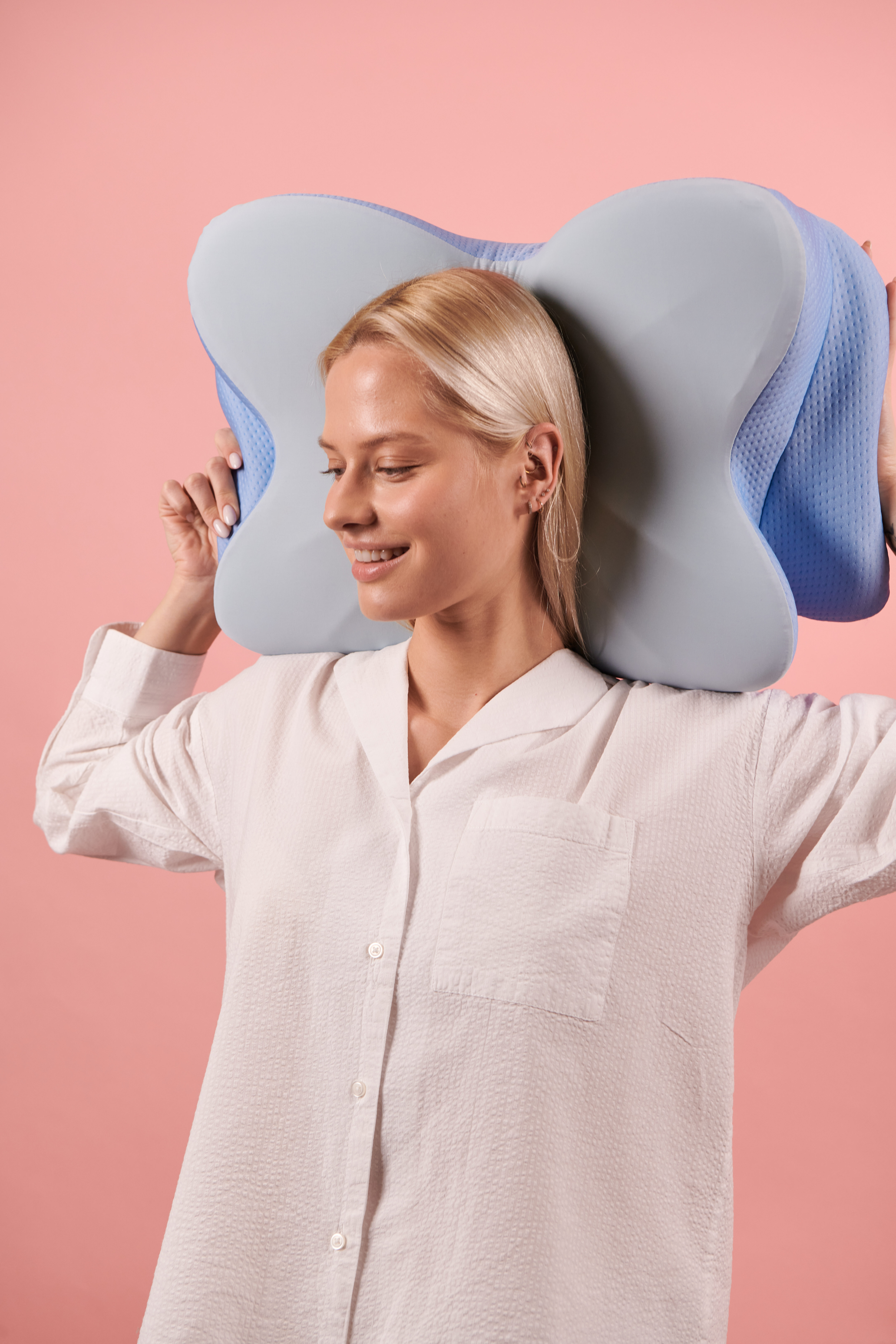
It had a specially engineered ergonomic contour designed to support the natural lordotic curve of the cervical spine. It used adaptive memory foam that responded to body heat and pressure — conforming to the unique geometry of each sleeper's neck and shoulder, rather than forcing the neck to adapt to the pillow's shape.
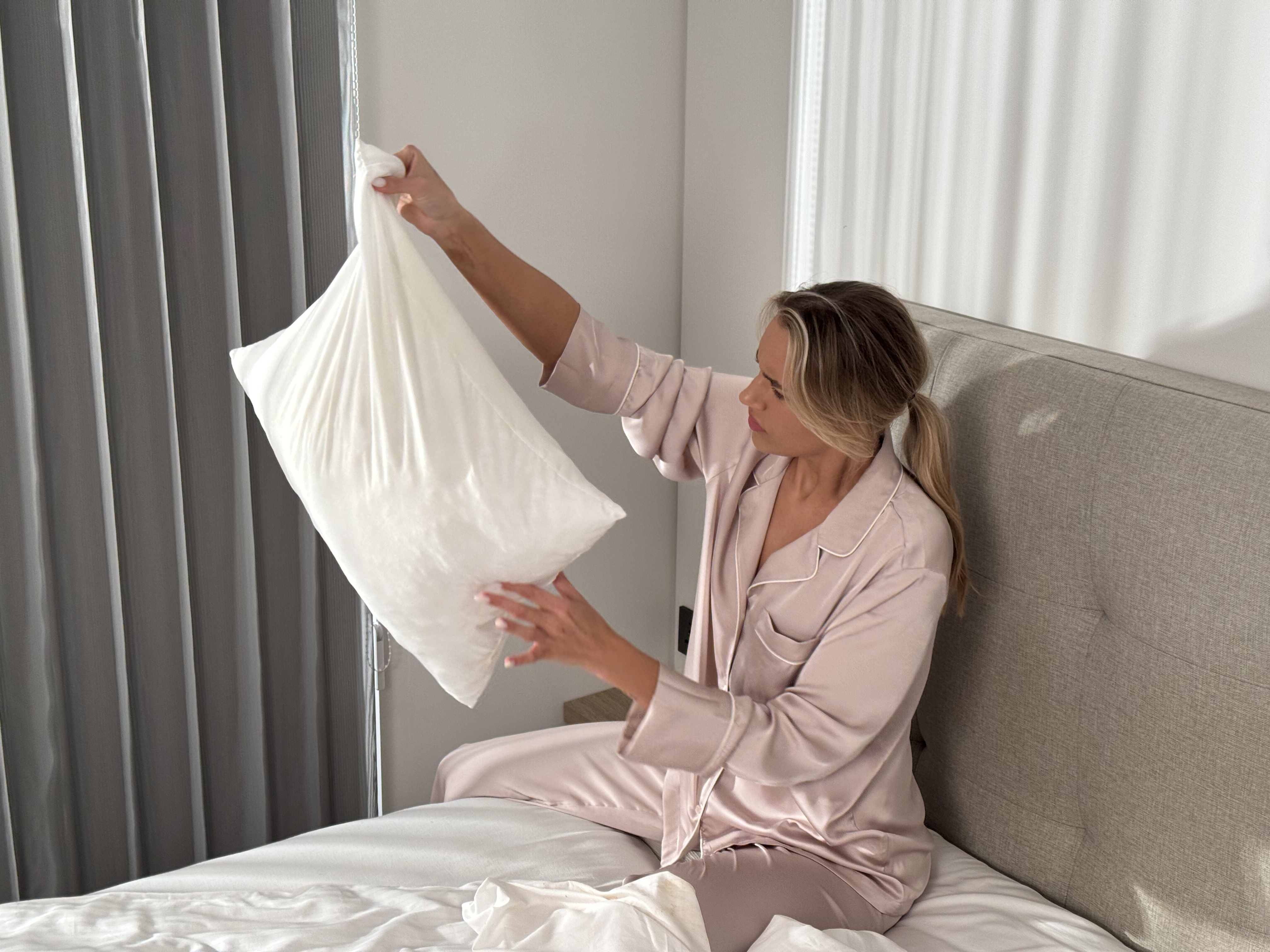
I was still skeptical. But I was also desperate. And it came with a 60-night money-back guarantee. I figured: worst case, I'd send it back in two months and be exactly where I started.
I clicked "Add to Cart."
Night One: I Wasn't Sure What to Expect
The Derila Ergo arrived three days later. I tore open the packaging in my living room and ran my hands across the surface. The foam was different from anything I'd felt in a pillow before — not the cheap, spongy compression of a department-store memory foam, but something denser, more responsive. When I pressed my palm into the contoured zone, I could feel it slowly, deliberately conforming to the shape of my hand.
I placed it on my side of the bed and stood there looking at it for a second. Part of me felt ridiculous — all this hope pinned on a pillow. But I'd promised myself I'd give it a real chance.
That night, I lay down on my side, let my head settle into the ergonomic contour, and felt something I had completely forgotten was possible: my neck was fully supported. Not pushed up. Not sinking down. Just… held. At exactly the right angle. The shoulder cutout cradled my arm so my shoulder wasn't compressed. My spine felt, for the first time in years, like it was actually in alignment.
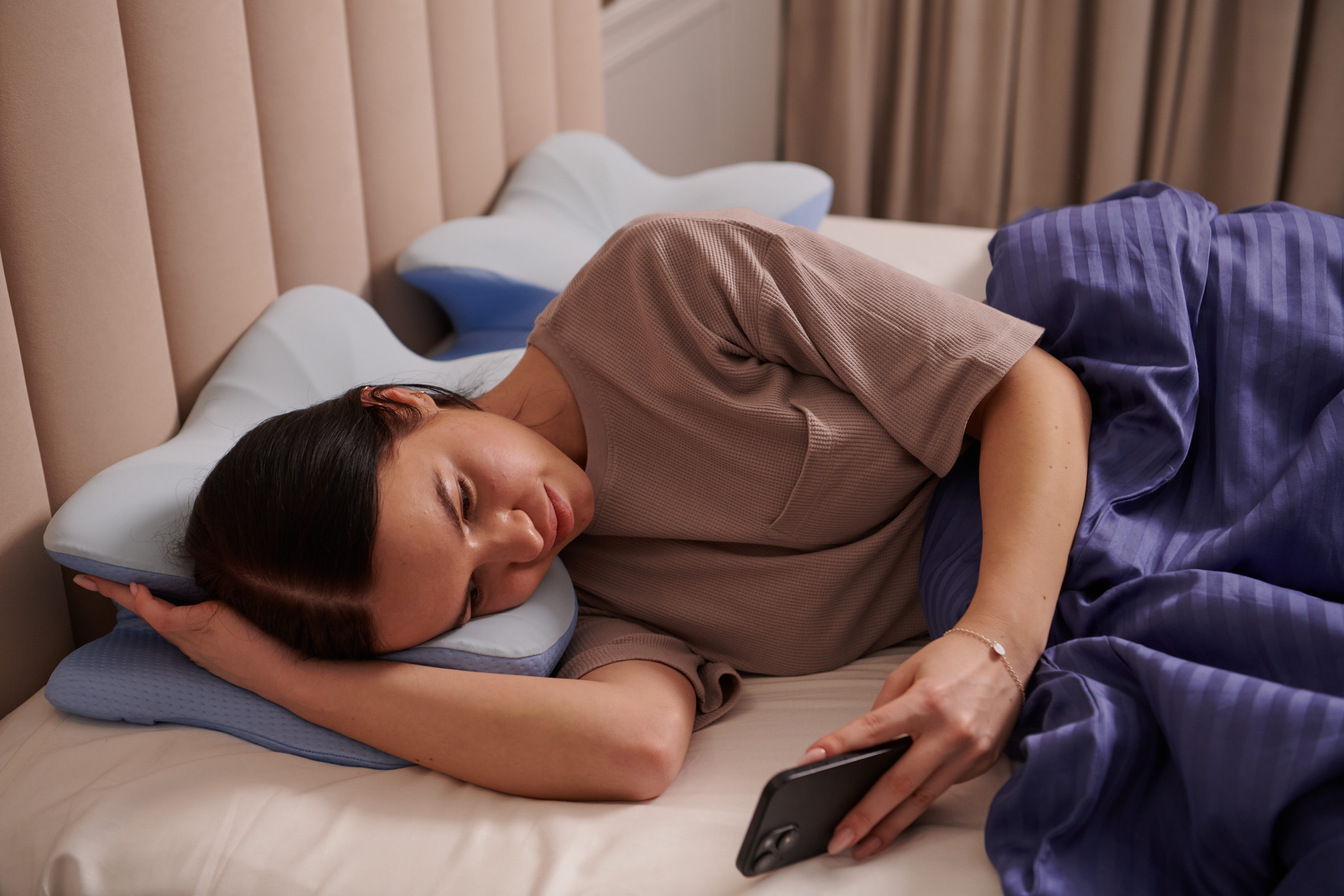
I fell asleep within twenty minutes. I didn't wake up at 3 a.m. to flip the pillow or reposition. I didn't spend the night fighting my own neck.
When my alarm went off at 6:15 a.m., I opened my eyes — and waited for the pain.
It felt different.
I tilted my head. Cautiously. Then fully.
Noticeably less than usual.
I sat up slowly, expecting the familiar stiffness to catch up with me. But my neck moved — freely, smoothly, without the usual grinding sensation that made me wince every morning. I turned my head left. Then right. I blinked a few times, not entirely sure I could trust what I was experiencing.
Then I did something I hadn't done in six years: I got out of bed without bracing myself first.
What Happened Over the Next 30 Days
I noticed less stiffness than usual.
I got out of bed without the usual morning ritual of wincing and bracing. My neck moved in all directions. The usual sharp discomfort felt much less intense. I honestly thought it was a fluke — maybe I'd just had an unusually good night. I wasn't ready to celebrate yet.

I stopped dreading mornings.
After a week, my mornings felt noticeably more comfortable. I had been so conditioned to expect agony that I still approached each morning with a kind of defensive anticipation — waiting for the pain to arrive. By Day 7, I started to believe this was actually working. The mid-morning headaches that had become part of my daily routine started showing up less frequently, then barely at all.
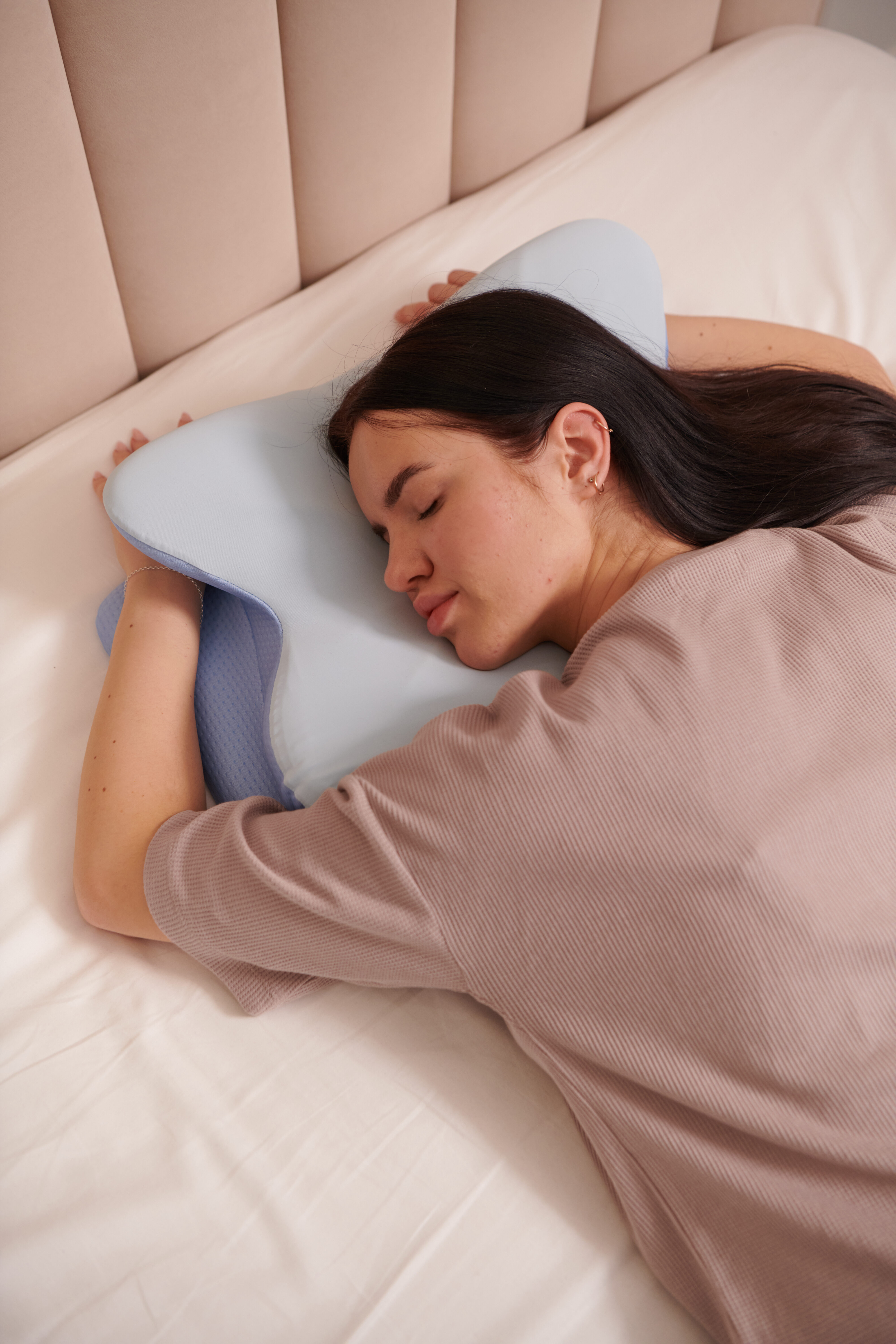
My energy changed completely.
I hadn't fully realized how much of my mental energy was being consumed just by managing pain. When the neck pain disappeared, it was like a mental fog lifted along with it. I was sharper at work, more present with my family, and — for the first time in longer than I could remember — I actually woke up looking forward to the day ahead. My husband noticed before I did. "You seem lighter," he said one morning. He was right.
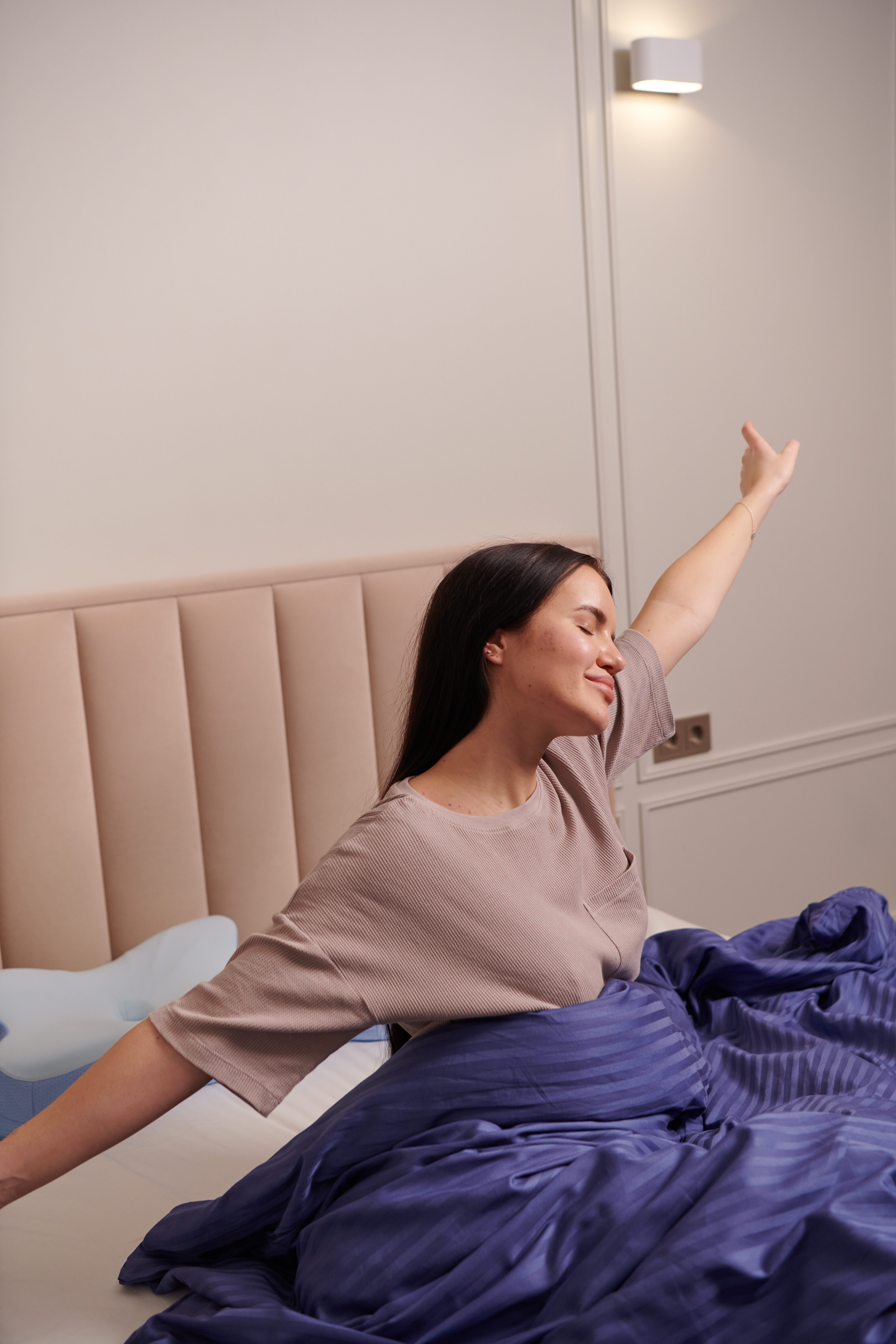
I barely remember what the pain felt like anymore.
A full month of noticeably more comfortable mornings. My chiropractor appointments — which I had been attending every two weeks for years — were reduced to once a month, then once every six weeks. Dr. Whitfield noticed the improvement immediately: "Your cervical muscle tone has improved significantly," he told me at my last appointment. "Whatever you're doing differently, keep doing it." The Derila Ergo hadn't just fixed my mornings. It had given me back my life.
Why the Derila Ergo Actually Works: The Science Behind the Design
After 30 days, I wanted to understand why this pillow worked when everything else had failed. I went back to Dr. Whitfield and asked him to walk me through the engineering. What he explained was far more sophisticated than I'd anticipated.
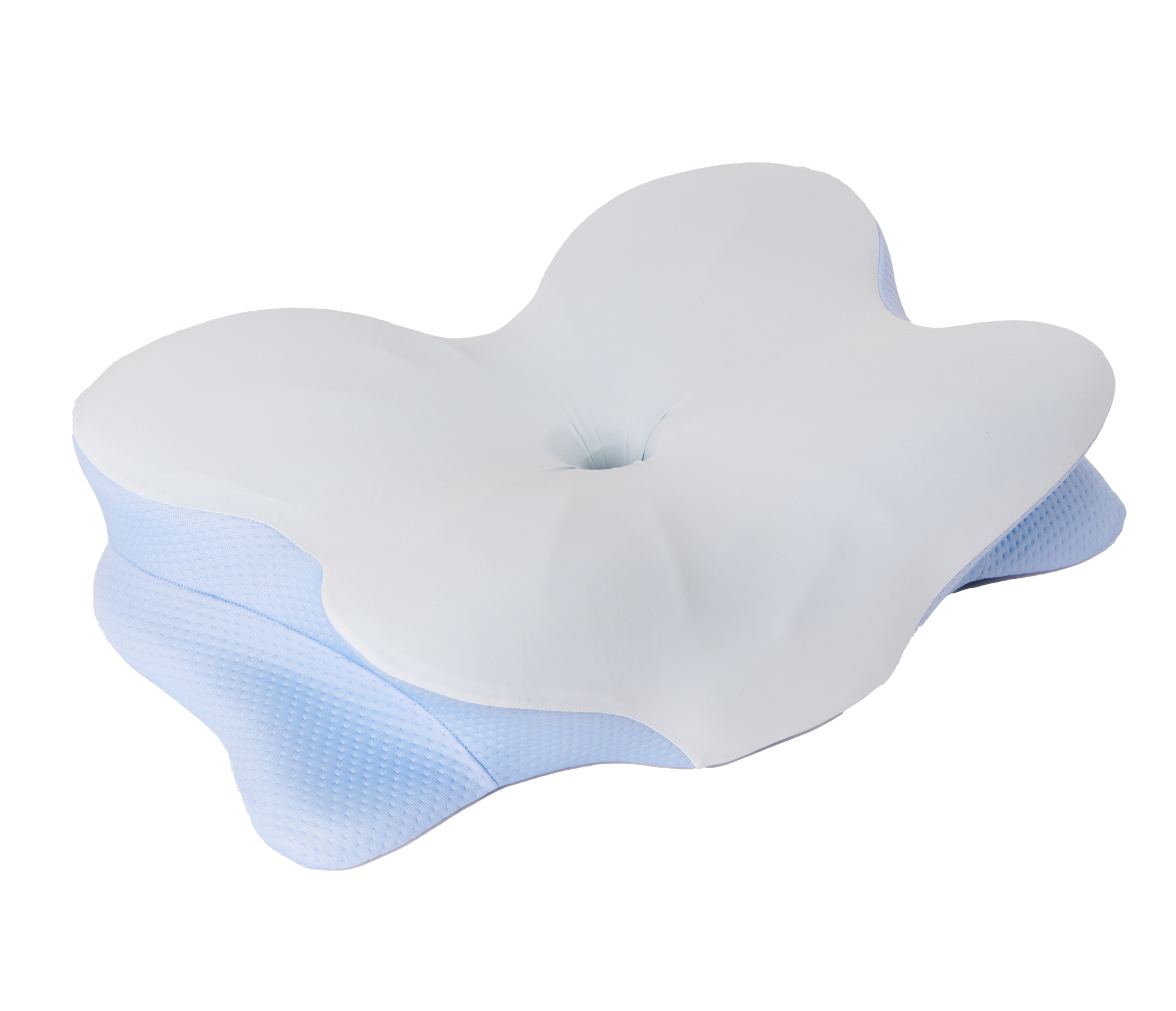
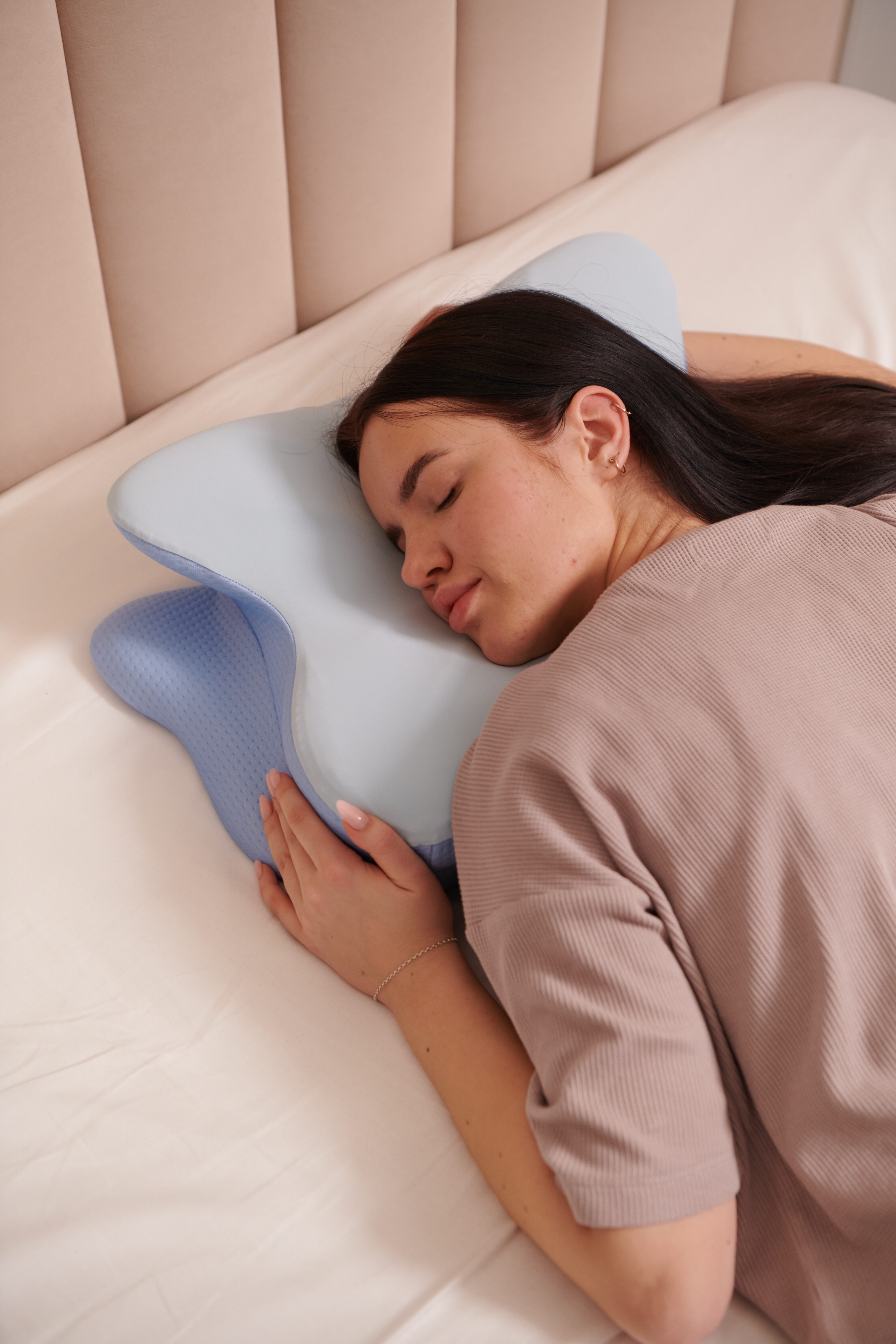
Cervical Contour Zone
The central contoured channel is engineered to cradle the natural lordotic curve of the cervical spine, maintaining proper C-curve alignment regardless of sleep position. This eliminates the compensatory muscle tension that causes morning stiffness.
Adaptive Memory Foam Core
The proprietary open-cell memory foam responds to body heat and pressure, conforming precisely to the unique geometry of each user's neck and shoulder. Unlike generic foam, it distributes pressure evenly — no pressure points, no compression zones.
Shoulder Relief Cutout
Designed specifically for side sleepers, the lateral shoulder accommodation prevents the pillow from compressing the shoulder joint — a major cause of referred neck and upper back pain that most standard pillows completely ignore.
Breathable Cooling Cover
The hypoallergenic bamboo-blend cover wicks moisture and promotes airflow, preventing the heat buildup that causes nighttime restlessness and disrupts the deep sleep cycles when tissue repair occurs.
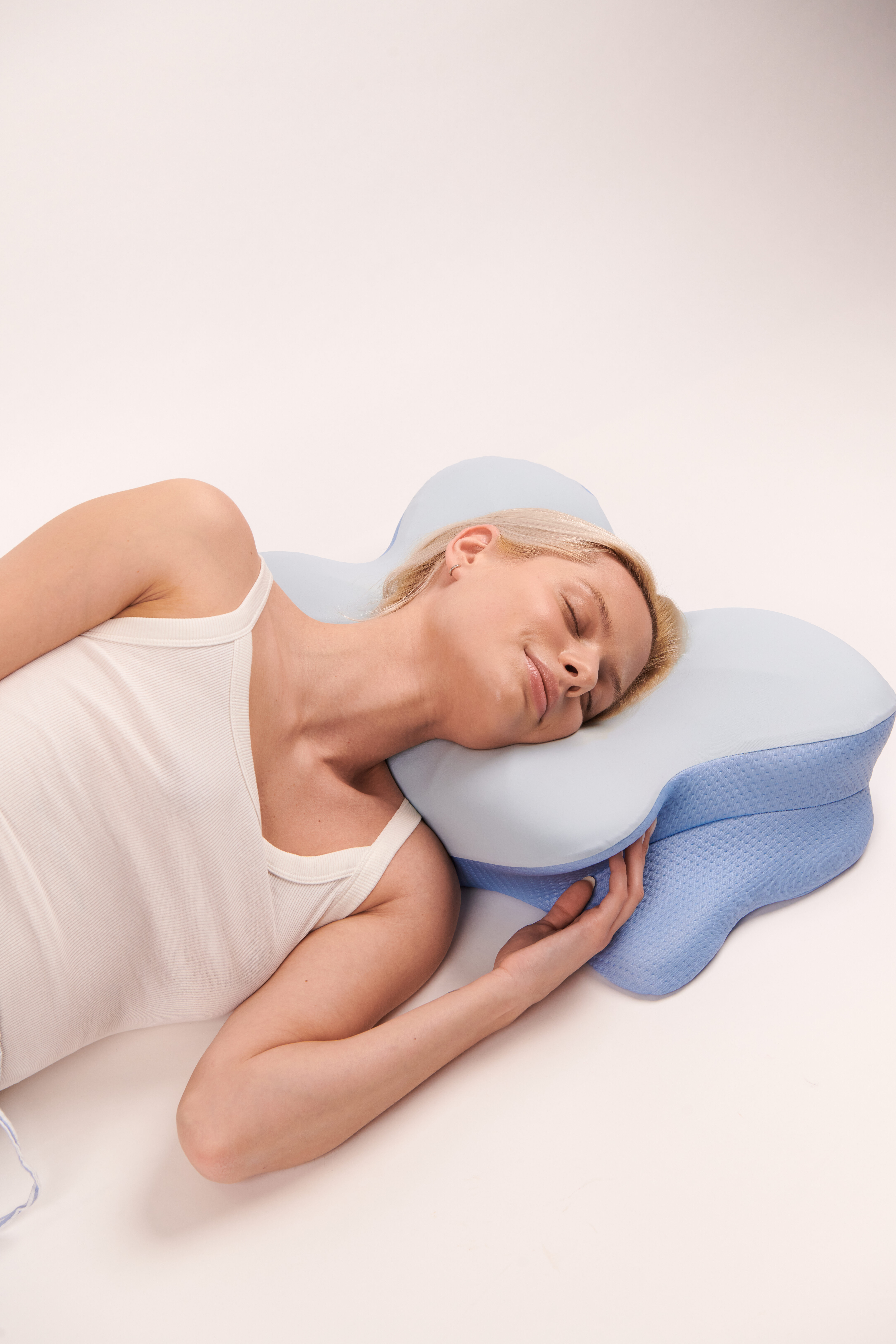
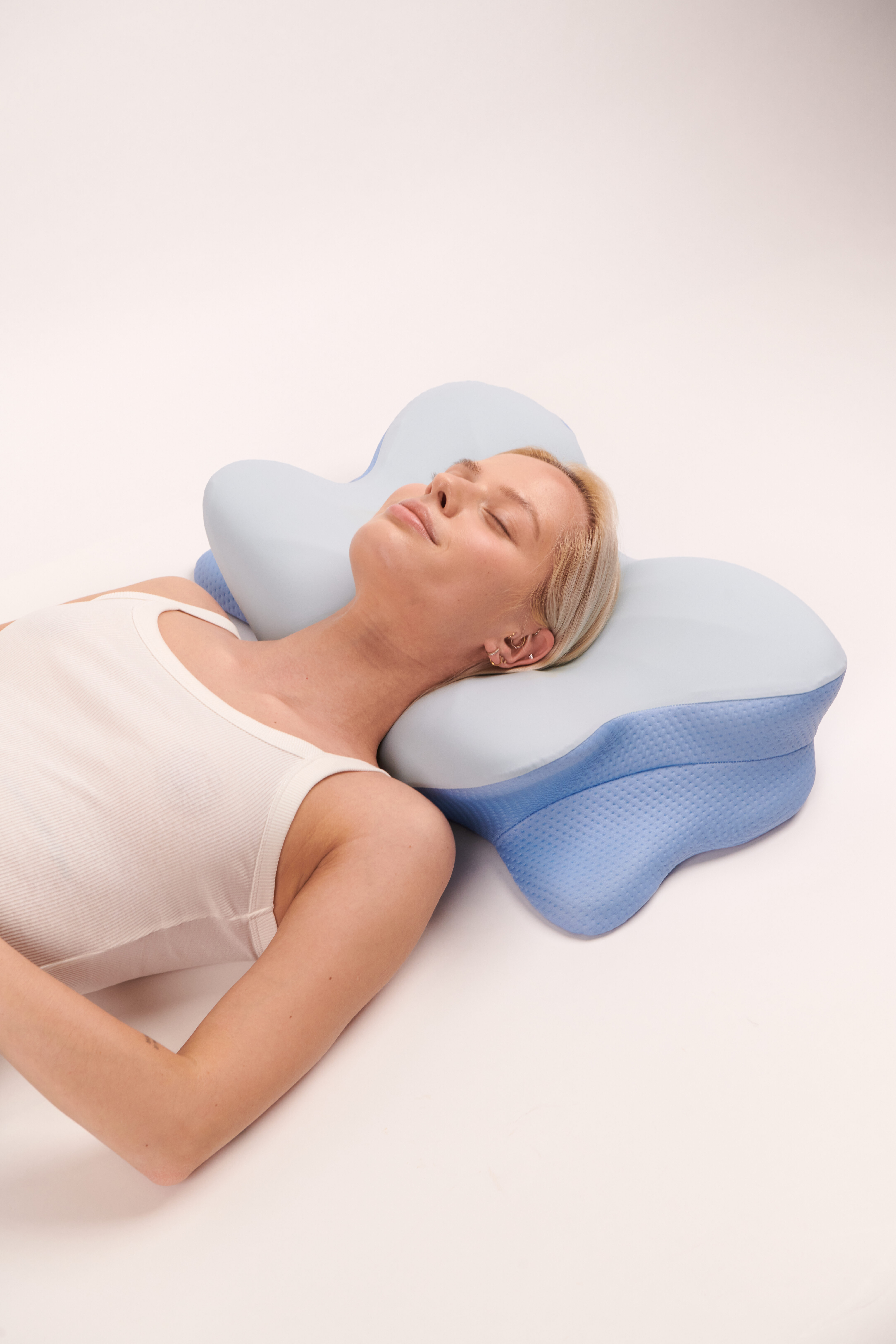
"What distinguishes this design from conventional orthopedic pillows is its ability to passively maintain cervical lordosis while accommodating natural micro-movements during sleep. The cervical spine needs to be supported, not immobilized. This pillow achieves that balance in a way that most products in this category simply don't."
What People Are Saying
Real People. Real Results.
"I'm 38 years old and I had basically accepted that waking up with neck pain was just part of life. I work from home, I'm at a desk all day, and I'd been to two different chiropractors over three years. Nothing stuck. A friend in my neighborhood Facebook group mentioned this pillow and I figured, why not? Three weeks later, I wake up and my neck just… moves normally. I can turn my head without thinking about it. My husband keeps asking me why I seem so much happier in the mornings. Honestly, I think I forgot what it felt like to NOT be in pain. This pillow reminded me."
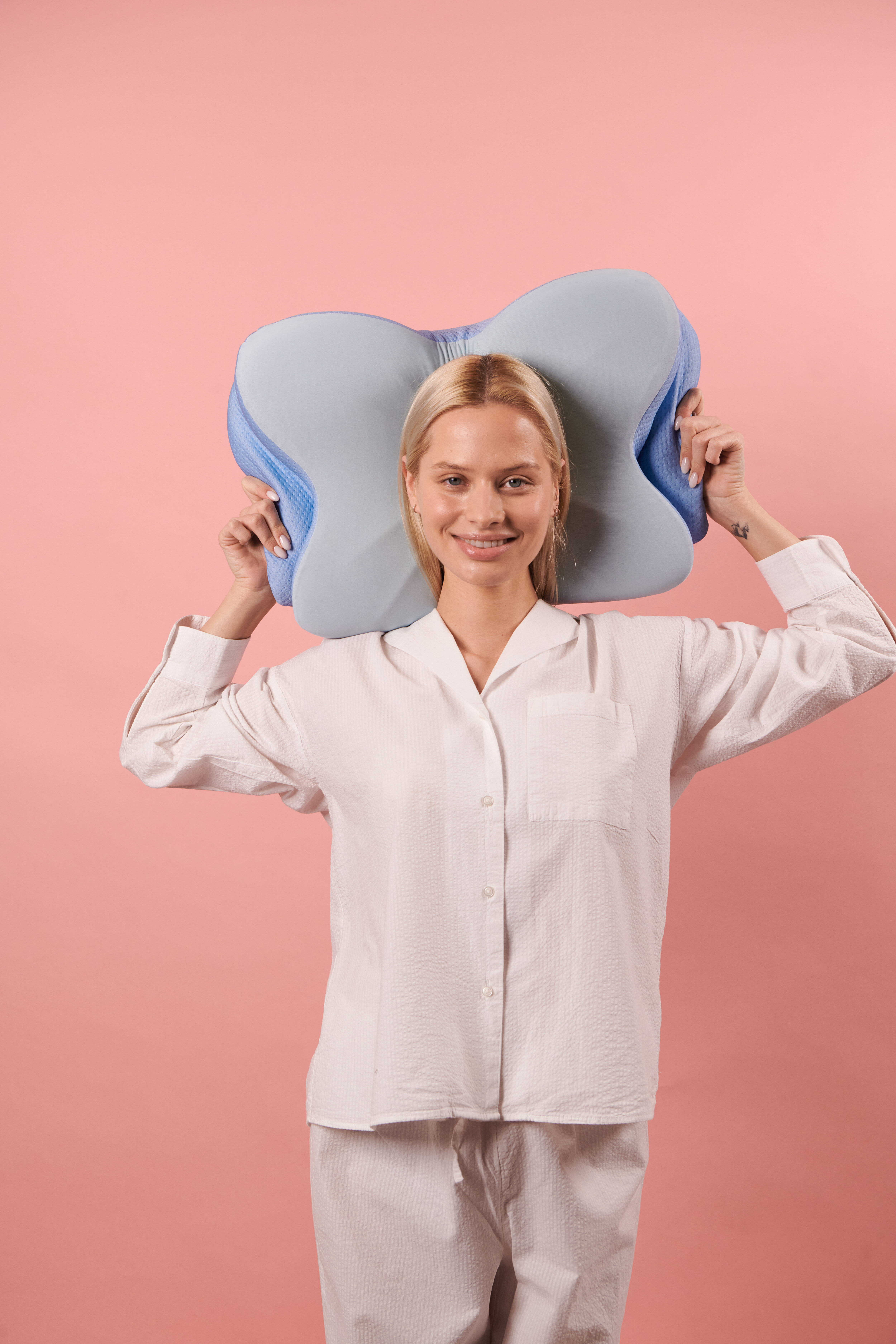
"I want to be clear: I am not someone who writes product reviews. Ever. But I'm writing this one because I feel like I owe it to anyone else who's been suffering the way I was. I had severe neck pain every single morning for four years. I saw a neurologist, I did physical therapy, I spent almost $3,000 on treatments. Nothing fixed the root problem. I bought the Derila Ergo on a Tuesday. By Friday morning, I woke up and the usual discomfort was noticeably less. That was seven weeks ago and my mornings have felt much more comfortable since. I genuinely don't know how to explain it other than to say that this pillow does exactly what it claims to do. If you're on the fence, please just buy it."
"My neck pain started after a minor car accident two years ago. I'd been told by three different doctors that the soft tissue damage would 'heal with time.' Two years later, it hadn't. I was waking up every morning feeling like the accident happened yesterday. A sleep specialist I consulted actually mentioned cervical pillow support as an underutilized intervention, and when I did my research, the Derila Ergo kept coming up. I've now been using it for five weeks. The morning stiffness feels significantly reduced. I actually slept through the night without waking up to reposition myself. My quality of life has genuinely improved. I can't recommend this enough."
How Does the Derila Ergo Compare to Other Solutions?
Let's be honest about what treating neck pain actually costs in America. Most people spend years and thousands of dollars cycling through partial solutions — getting temporary relief, then regressing — without ever addressing the root cause.
| Solution | Typical Cost | Supports Cervical Alignment? | Designed for Long-Term Comfort? |
|---|---|---|---|
| Chiropractor Sessions (3 months) | $1,200–$2,400 | ✗ | ✗ |
| Physical Therapy (12 sessions) | $900–$1,800 | ✗ | ✗ |
| Prescription Muscle Relaxants (annual) | $400–$800+ | ✗ | ✗ |
| Generic Orthopedic Pillow | $60–$130 | ✗ | ✗ |
| 🏆 Derila Ergo (Today Only) | $59.99 | ✓ | ✓ |
The Derila Ergo is currently 75% off the regular retail price — which means you get a simple option designed to support better cervical alignment while you sleep, for less than a single co-pay at a chiropractor's office.
Support Your Neck More Comfortably — Starting Tonight
- Engineered Cervical Contour to Support Spinal Alignment
- Adaptive Memory Foam — Responds to Your Unique Anatomy
- Shoulder Relief Zone for Side Sleepers
- Hypoallergenic Bamboo-Blend Cooling Cover
- Third-Party Tested for Safety & Material Quality
- Fast U.S. Shipping — Arrives in 3–5 Business Days
- 60-Night Money-Back Guarantee — Zero Risk
This limited-time promotional pricing may not be available much longer. Check the official Derila page for current availability and today's discount before it expires.
Join over 3.7 million people who have already made the switch to cervical-aligned sleep.
60-Night Sleep Guarantee
Try the Derila Ergo in your own bed for a full 60 nights. If you don't wake up with measurably less neck pain — or for any reason at all — simply contact the team for a complete, no-questions-asked refund. You have nothing to lose and 60 nights of better sleep comfort to gain.
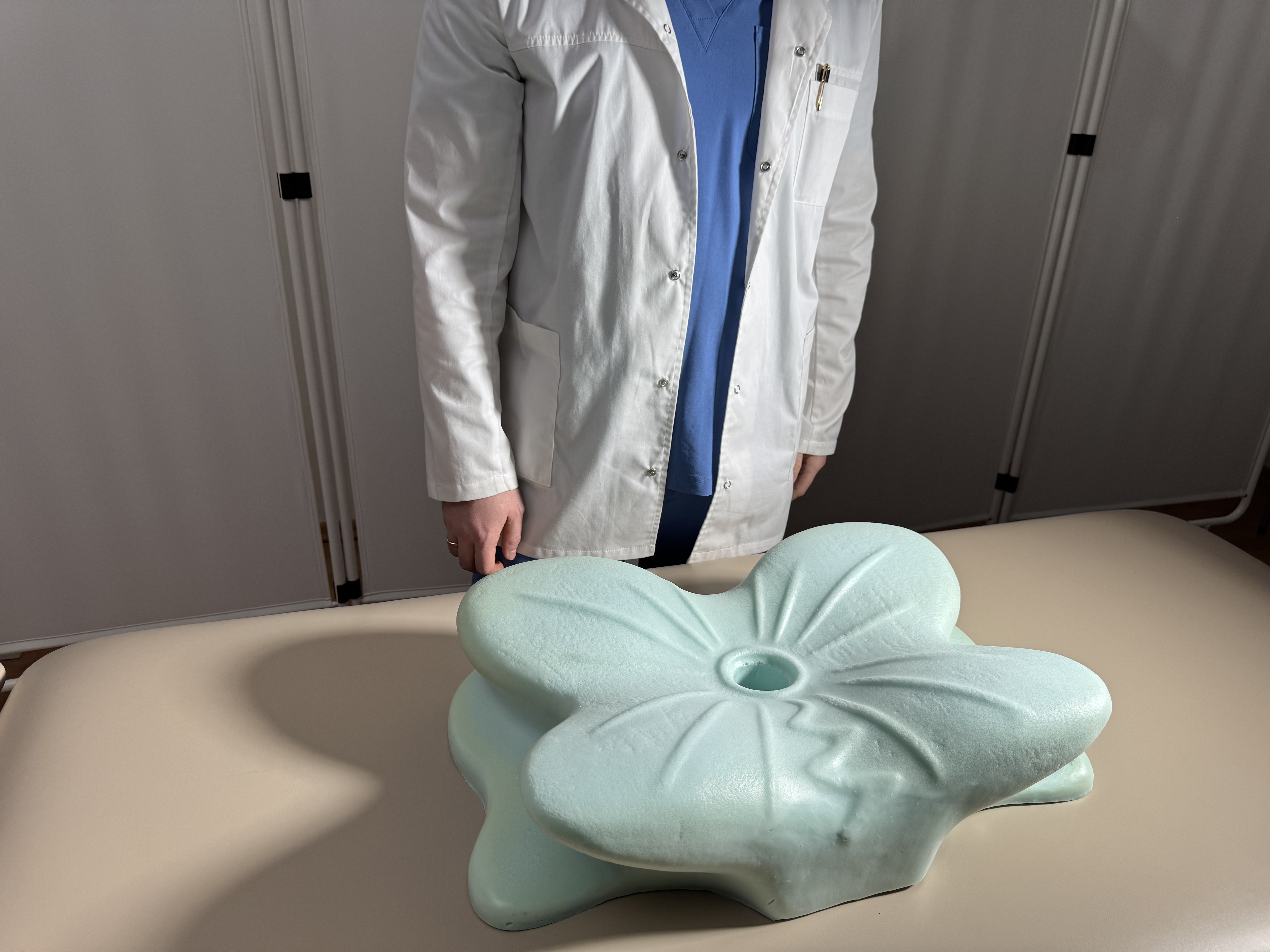
"After reviewing the clinical design and hearing the outcomes from patients who have used this pillow, I'm comfortable recommending it to adults suffering from chronic morning neck pain, cervicogenic headaches, and sleep-disrupting cervical tension. Address the cause at night, and the symptoms in the morning take care of themselves."
I still remember what that first morning felt like — tilting my head, then turning it, then getting out of bed felt more manageable than usual. It seems like such a small thing. But six years of waking up in pain had taught me to dread mornings, to anticipate suffering, to move through my days carrying an invisible weight I had simply stopped noticing.
When that weight lifted, I realized how much of myself I had given up to manage it.
You deserve to wake up feeling like yourself. You deserve mornings that don't start with pain. You deserve sleep that actually restores you — the way sleep is supposed to.
That morning is one night away.
"I've had arthritis in my neck for 12 years. My doctor kept telling me to try a cervical pillow but I never found one that actually worked — until this one. The first morning I woke up without that awful stiffness, I actually cried. I called my daughter right away. At 67, I had stopped believing mornings could feel this good."
"The best morning of your life might start with the decision you make right now."
— Sarah Monroe, NeckPainAway.com
Get My Derila Ergo Now — 75% OFF ›🔒 256-bit SSL Secure Checkout | 60-Night Money-Back Guarantee | Ships in 24 Hours
Oh my gosh this is literally my story. I've tried SO many pillows and chiropractors. Ordering this right now after reading this article. I'm so tired of waking up feeling broken every morning.